What makes one city rise above every other option for a second home? For many global buyers, the answer is not just sunshine or prestige. It is a place that feels easy to reach, easy to enjoy, and easier to own from afar. In Miami, those pieces come together in a way few U.S. markets can match. If you are weighing where to establish a seasonal residence, investment-minded retreat, or design-forward home base, this guide will show you why Miami continues to stand out. Let’s dive in.
Why Miami Fits Global Second-Home Buyers
Miami has long appealed to international buyers, but the city’s advantage goes deeper than image. It works as a real second-home city because access, culture, climate, and property type all support part-time ownership.
That combination matters if you live between cities, travel often, or want a residence that feels connected to the world. In Miami, you are not buying into an isolated vacation market. You are buying into a major global hub with year-round use.
Global access supports a flexible lifestyle
Miami International Airport handled 55,926,566 passengers in 2024, including 25,164,335 international passengers. Its December 2025 fact sheet also lists 188 nonstop passenger destinations and 93 airlines, which helps explain why Miami remains such a practical base for buyers who split time across countries and regions.
Miami-Dade County describes MIA as part of the county’s role as the North American gateway to Latin America and the Caribbean. PortMiami adds another layer of international connectivity, giving the metro a level of global movement that supports both frequent travel and long-stay ownership.
The buyer demand is already here
Infrastructure tells one story, but buyer behavior confirms it. MIAMI REALTORS reported in January 2026 that Miami was again the No. 1 U.S. destination for global home buyers, with South Florida’s foreign-buyer share at 15 percent in 2025.
The same report found that 93 percent of Miami global buyers purchased for security, profitability, and location. It also noted that one in five U.S. international home sales happen in Florida, one in two Florida international purchases are in the Miami metro, and Miami-Dade accounted for 73 percent of South Florida foreign-buyer sales volume.
Miami Feels Familiar Across Borders
A second home works best when it feels natural to return to again and again. Miami offers more than transportation convenience. It also offers cultural fluency that helps international and out-of-state owners settle in quickly.
Downtown Miami is described by the Downtown Miami Development Authority as an international center for arts, culture, and entertainment. Miami-Dade County’s Cultural Affairs Department also maintains a directory of museums, dance studios, arts classes, and service organizations, reinforcing that the city supports an active lifestyle beyond seasonal tourism.
A lifestyle city, not just a getaway
That distinction matters if you want your second home to function as a true extension of your life. Miami is not only a place to visit for a long weekend. It is a city where art, dining, wellness, entertainment, and waterfront living can become part of your normal routine.
For many buyers, that makes ownership feel more worthwhile. You are not keeping a property only for occasional use. You are creating a year-round base in a city that stays active and internationally connected.
Climate Adds Appeal and Complexity
Miami’s climate is one of its biggest draws. According to NOAA’s 1991 to 2020 normals for Miami International Airport, the annual mean temperature is 77.5°F, with average daily highs of 84.2°F and lows of 70.7°F.
That warm weather supports repeat use across the calendar, which is a major plus for second-home owners. Summer monthly average highs reach about 90.6°F to 90.7°F in July and August, making waterfront and indoor-outdoor living part of the city’s everyday appeal.
Resilience should be part of your plan
Climate also shapes the ownership conversation in practical ways. NOAA says Atlantic hurricane season runs from June 1 through November 30, and Miami-Dade County states that climate change and sea level rise are long-term stresses for the region.
The county’s planning assumptions project seas 10 to 17 inches higher by 2040 than 2000 levels. Miami-Dade has a Sea Level Rise Strategy and adaptation pathways for neighborhoods, infrastructure, and coastal storms, which means buyers should think about resilience as part of responsible ownership.
If you are buying a second home in Miami, it helps to look beyond finishes and views. Building management, maintenance structure, insurance considerations, and the broader resilience posture of a property all deserve attention.
Why Condos Match Second-Home Use
One reason Miami performs so well as a second-home market is that many buyers are not looking for a hands-on ownership experience. They want a home that is elegant, comfortable, and easy to leave when travel calls.
That is where condominium living fits naturally. Under Florida Statutes Chapter 718, common expenses can include operation, maintenance, repair, replacement, protection of common elements, and security services, with associations responsible for many building-wide costs.
Lock-and-leave ownership is a real advantage
In practical terms, that structure supports a lower-maintenance ownership model. For a buyer living in another city or country, that can be a major advantage over single-family ownership, where upkeep often requires more direct oversight.
MIAMI REALTORS’ July 2025 new-construction report helps illustrate how buyers are already using Miami properties. In a sample of 37 projects and 9,115 units, 49 percent of buyers were international, 51 percent of South Florida international buyers preferred condominiums, and 71 percent intended the property mainly for vacation or rental use.
The same report found that 63 percent chose central or urban areas, 51 percent paid all cash, and 65 percent had visited Florida only two times or less before buying. Together, those figures show how often Miami condo purchases are made by buyers seeking flexible, remote-friendly ownership.
Miami also draws domestic second-home demand
The second-home story is not only international. MIAMI REALTORS’ 2026 report also found that New York, California, and New Jersey were the top out-of-state origin states, accounting for 47 percent of all out-of-state buyers in the Miami area.
That pattern suggests Miami appeals to a broad group of buyers who want a foothold in a warmer, globally connected market. Whether you are coming from abroad or from another major U.S. city, the same core appeal remains: mobility, lifestyle, and a residence that can support part-time use.
Branded Residences Add Confidence
For many second-home buyers, trust is as important as location. If you are buying from a distance, especially in preconstruction, you are often evaluating not just a floor plan but the reliability of the experience around it.
That is one reason branded residences have become so relevant in Miami. Knight Frank notes that the sector continues to expand, with the appeal centered on a luxury, five-star lifestyle supported by exceptional service. Savills adds that brand affiliation can support quality assurance, exclusivity, security, and premium pricing.
Service matters when you own remotely
For a second-home owner, those benefits can feel especially practical. A branded residence may offer a more curated arrival experience, more consistent service standards, and a stronger sense of operational structure.
That does not remove the realities of owning from another city or country. It can, however, reduce friction and create more confidence in how the property will function when you are there and when you are away.
Why Faena Residences Miami Fits This Moment
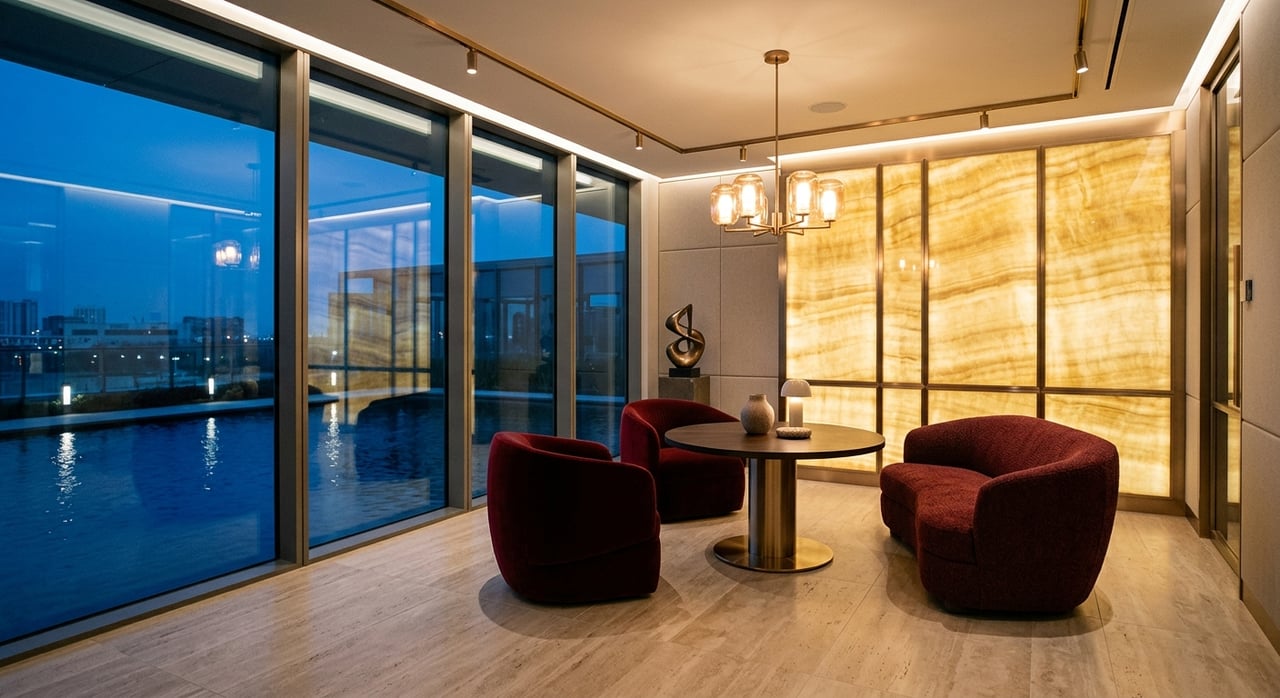
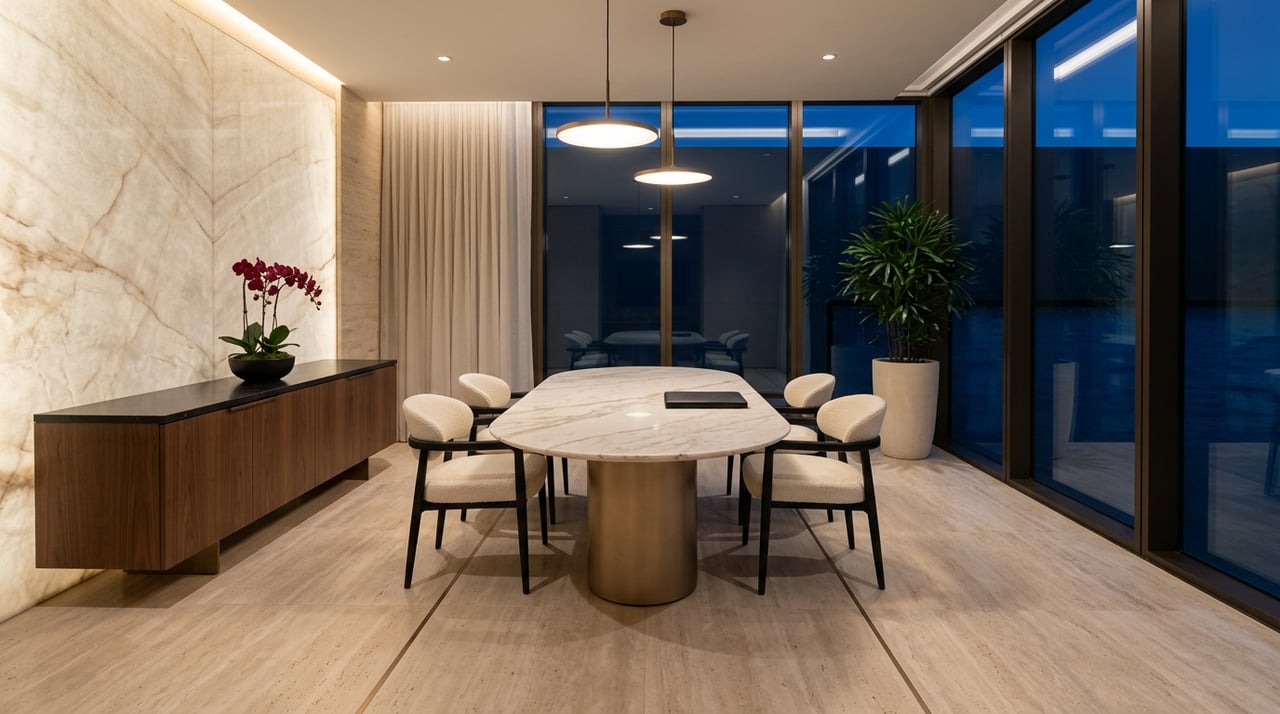
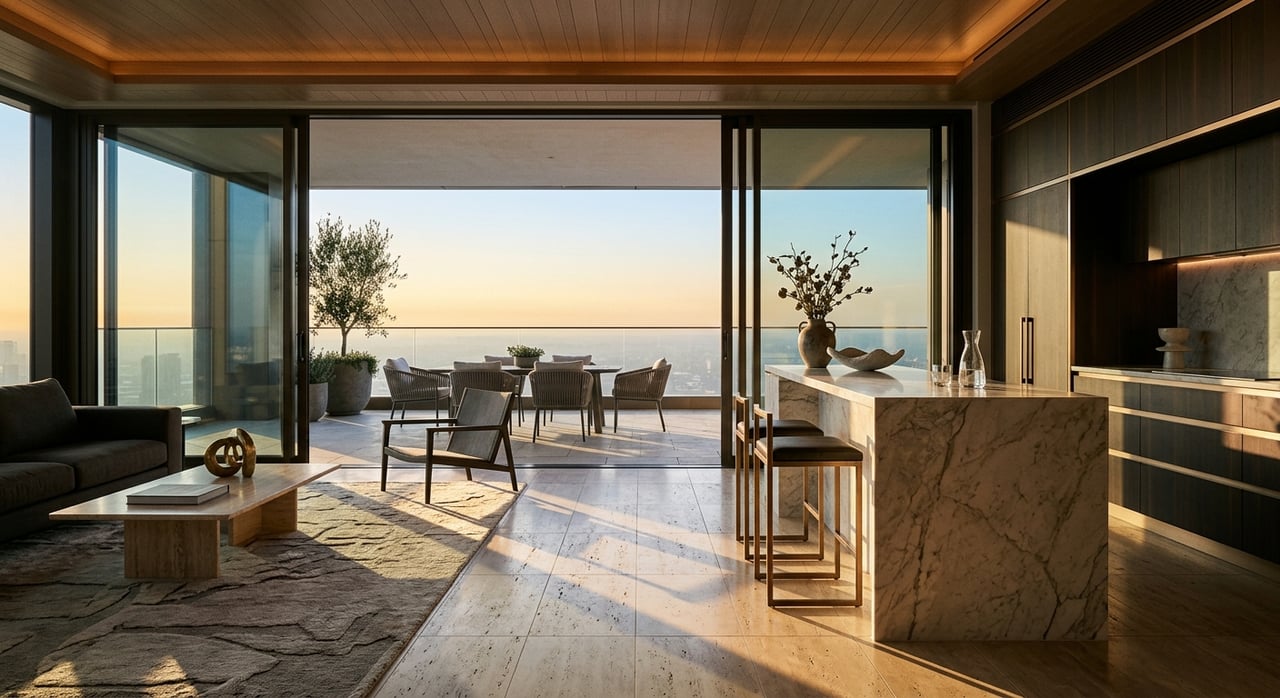
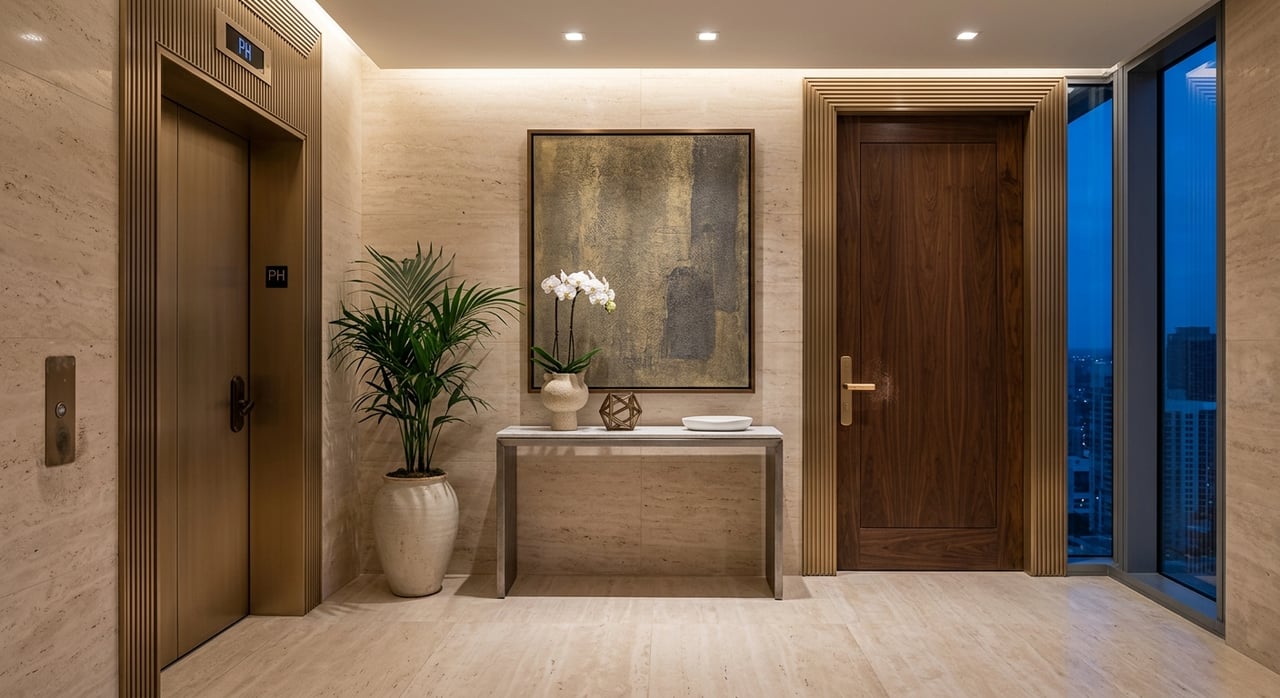
In the Miami market, Faena Residences Miami speaks directly to what many global buyers want now. The project is positioned around art, architecture, community, wellness, and service rather than conventional condo marketing alone.
Official materials describe two riverfront towers on the Miami River, a 45,000-square-foot sky bridge, 406 residences, and more than 100,000 square feet of amenities. Features also include resident-only dining and lounges, a 24/7 guarded gatehouse, yacht and boat service, 10-foot terraces in every residence, and smart-home automation.
A design-led second-home option
For buyers who want more than a standard tower, that matters. The value here is not just in having a Miami address. It is in the promise of a residence shaped around hospitality, culture, and day-to-day ease.
Published pricing on the official sales site starts from $1.32 million for one-bedroom residences, with an estimated closing in the fourth quarter of 2029. Architecture is by Rafael Viñoly Architects, and the brand’s broader identity is rooted in creating cultural destinations through art, architecture, and community.
The Miami River offers a different luxury story
This is also part of a larger shift in how some buyers view Miami. Instead of focusing only on traditional beachfront inventory, many are paying closer attention to neighborhoods and waterfront settings that connect luxury living with urban energy and design identity.
The Miami River, with strong adjacency to Brickell, offers that alternative. For buyers seeking a second home that feels both connected and distinctive, it presents a version of Miami that is more layered, more design-forward, and more lifestyle-driven.
What to Consider Before You Buy
If you are considering Miami as a second-home city, a few questions can help sharpen your search:
- How often will you use the home each year?
- Do you want a full-service condominium or a more hands-on property type?
- How important are international access and airport convenience?
- Are you prioritizing culture, wellness, and service, or primarily investment positioning?
- Does the building’s management and amenity structure fit remote ownership?
- Are you comfortable with the timeline and decision-making process of preconstruction?
For many global buyers, the strongest options are the ones that combine ease of ownership with a clear lifestyle point of view. In Miami, that often leads back to well-located condominiums, especially those with strong service infrastructure and a brand that signals consistency.
If you are exploring a Miami second home and want a residence that blends design, hospitality, and riverfront living, Privé Advisory Group at Bayview International Realty can help you evaluate Faena Residences Miami with the clarity of an independent advisor.
FAQs
Why is Miami attractive for international second-home buyers?
- Miami combines strong global air access, a large international buyer base, warm year-round weather, and condominium options that support part-time ownership.
What makes Miami easier to use as a second home than other cities?
- Miami offers extensive international flight connections, a year-round lifestyle environment, and many condo properties that fit a lock-and-leave ownership model.
Are condominiums a common choice for second-home buyers in Miami?
- Yes. MIAMI REALTORS reported that 51 percent of South Florida international buyers preferred condominiums in its 2025 new-construction report.
What should buyers consider about Miami’s climate before purchasing a second home?
- You should consider year-round heat, hurricane season from June 1 through November 30, and the importance of resilience, insurance, and building management in your ownership plan.
What is a branded residence in Miami real estate?
- A branded residence is a residential property associated with a hospitality or lifestyle brand, often emphasizing service, amenities, operational consistency, and a more curated living experience.
What are the key details about Faena Residences Miami for second-home buyers?
- Official materials describe two riverfront towers, 406 residences, a 45,000-square-foot sky bridge, more than 100,000 square feet of amenities, pricing from $1.32 million, and an estimated fourth quarter 2029 closing.