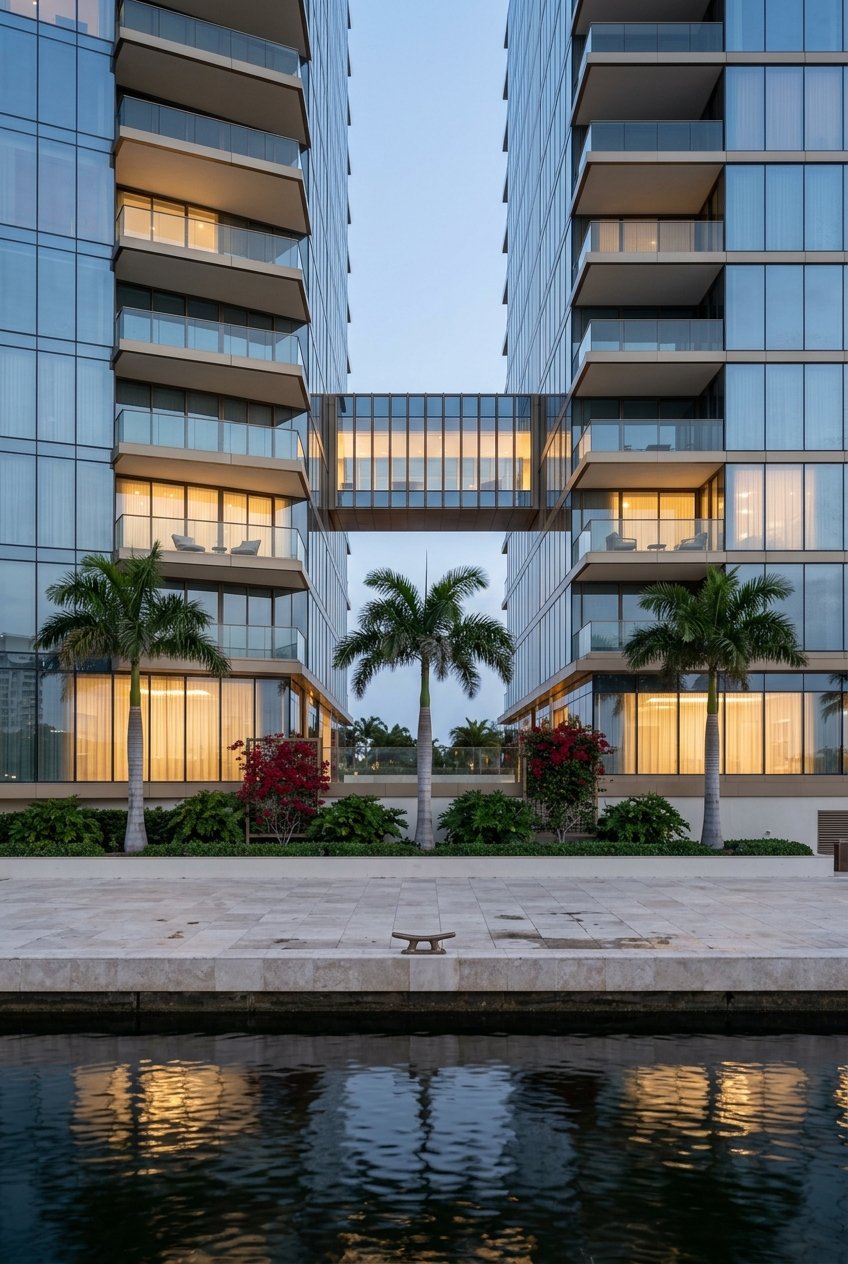
What if Miami’s next luxury address is not on the ocean, but along a river that is being reshaped into one of the city’s most connected waterfront corridors? If you have been watching Miami’s evolution, you have likely seen how buyers are looking beyond the usual coastal story and toward places that blend design, culture, access, and long-term potential. The Miami River now sits squarely in that conversation, and understanding why can help you spot where this market is headed next. Let’s dive in.
Why the Miami River matters now
The Miami River is no longer best understood as a quiet edge between downtown districts. City planning and downtown master planning place it within Miami’s high-density urban core, linking it to Downtown Miami, Brickell, the waterfront, and the broader growth story reshaping the center of the city.
That shift matters if you are thinking about lifestyle, value, or future relevance. When a corridor is planned as part of the urban core, it usually means more attention to walkability, connectivity, public space, and new development over time.
A corridor in transition
The most accurate way to describe the Miami River today is reimagined, not finished. The area is becoming a more polished luxury corridor, but it is still mid-transformation, with residential and mixed-use development advancing alongside active marine and industrial uses.
That evolving character is part of what makes the river so interesting. You are not looking at a static neighborhood story. You are looking at a waterfront district actively being shaped by planning, infrastructure, and a new generation of branded luxury development.
Riverwalk and Greenway are changing the experience
One of the clearest signs of change is the public realm. The Miami DDA reports that the 10-mile Miami Riverwalk and on-road Greenway are 68% complete, while the Miami River Commission says about seven miles of the public greenway have been built and roughly three miles remain planned.
This is more than a beautification effort. The city’s waterfront framework requires riverfront development to include public-access features such as setbacks and promenades, which means the appeal of living here is tied not only to private views, but also to the growing shared waterfront experience.
Public access shapes private value
For buyers, this is an important distinction. A luxury riverfront address is not just about what you see from your residence. It is also about how the surrounding streets, walkways, and waterfront spaces function day to day.
As the Riverwalk and Greenway continue to connect more of the corridor, the river becomes easier to experience on foot and more legible as part of Miami’s urban lifestyle map. That can make the area feel more cohesive and more livable over time.
Why luxury buyers are paying attention
Luxury demand tends to follow places that offer a mix of access, identity, and scarcity. The Miami River is starting to check each of those boxes in a way that feels distinct from more established parts of Miami.
It offers waterfront living with immediate proximity to Brickell and Downtown. It also carries a different mood from the beach or bayfront, one that feels more urban, design-forward, and tied to culture, dining, and city energy.
Connectivity is a major advantage
The river’s location gives you unusually direct access to the city’s core. The Underline’s Brickell Backyard segment runs from the Miami River to SW 13th Street and includes Brickell Metrorail and Metromover stations, while the City of Miami trolley system connects Downtown Miami, Brickell, and the Biscayne corridor.
For many buyers, that kind of connectivity changes how a home feels in daily life. You are not choosing between a waterfront setting and an urban one. On the Miami River, you can have both.
Dining helps define the riverfront lifestyle
Lifestyle is often shaped by what is close at hand, and the Miami River has become increasingly visible as a dining destination. Official tourism listings and local editorial coverage highlight riverfront venues such as Seaspice, Zuma Miami, Casa Neos, and Bagatelle Miami River.
That matters because dining helps establish the social identity of a place. When a waterfront corridor becomes known for riverfront restaurants, lounges, and al fresco settings, it starts to feel less like a pass-through and more like a destination.
Culture adds depth to the location
The river also benefits from its place within greater Downtown Miami and Brickell, where major cultural anchors include the Adrienne Arsht Center, Pérez Art Museum Miami, the Freedom Tower, and the Olympia Theatre. Closer to the river itself, the City of Miami identifies the Miami Circle on Brickell Point as a pre-Columbian Tequesta site, and the waterfront includes public spaces like José Martí Park.
For design-conscious buyers, this cultural layer can be especially meaningful. It gives the area more texture than a simple luxury skyline narrative and supports the idea that the river is becoming a place with its own point of view.
New development is accelerating the shift
Planning language tells one story, but the project pipeline tells another. The Miami DDA and Miami River Commission point to recent or active river-adjacent projects including Baccarat Residences Miami, The Standard Residences in Brickell, Aston Martin Residences, Casa Neos, One Brickell Riverside, Riverside Wharf, and the Miami River Special Area Plan.
Taken together, these projects show that serious capital, design attention, and long-term confidence are flowing into the corridor. That does not mean every block is fully transformed today, but it does suggest the river is becoming harder to ignore in Miami’s luxury map.
Faena Residences Miami and the new riverfront chapter
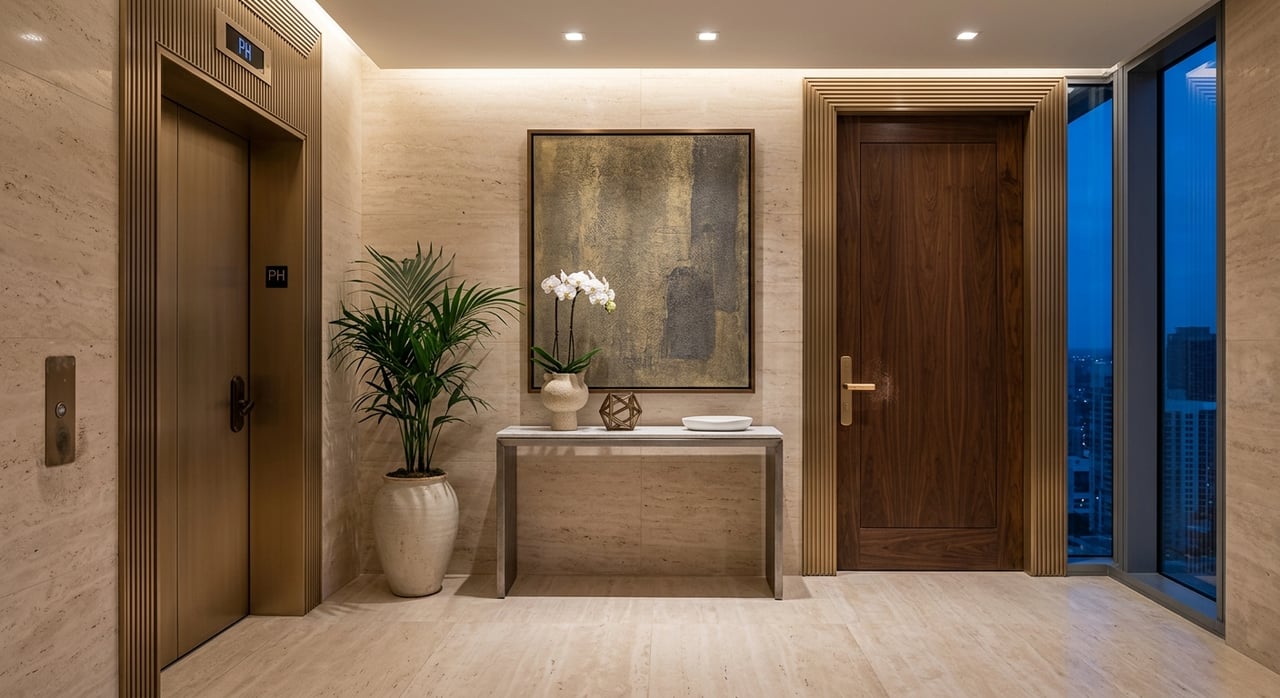
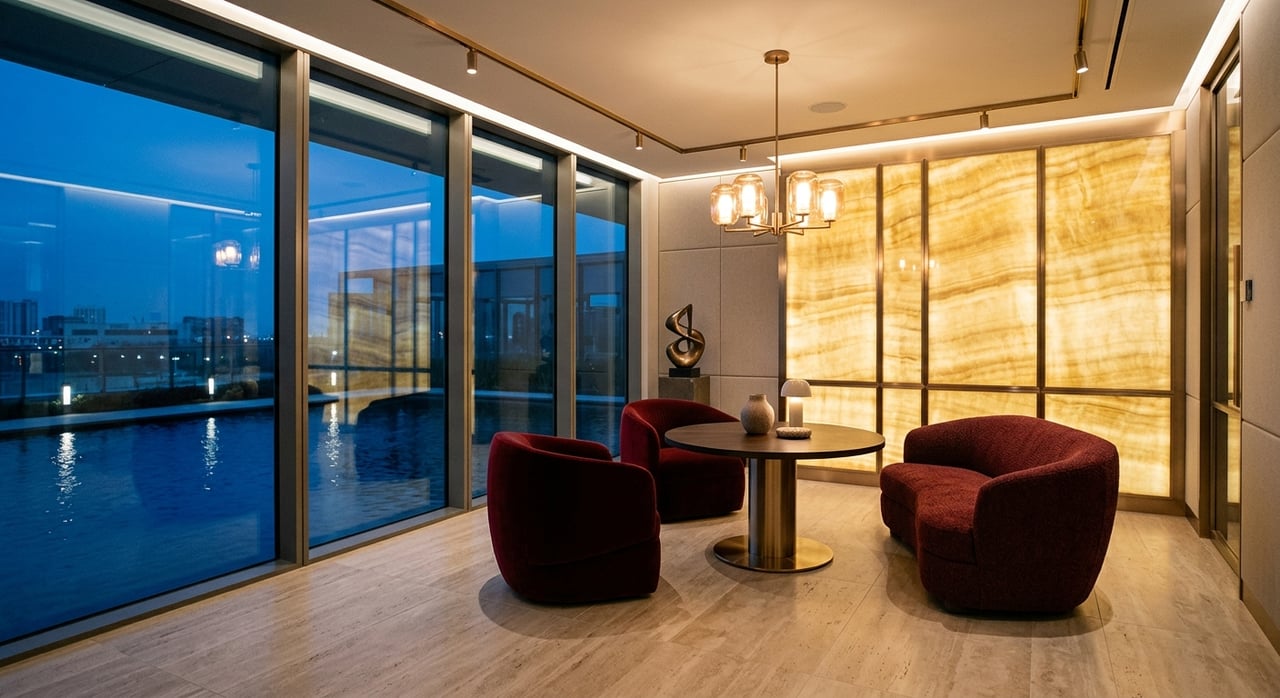
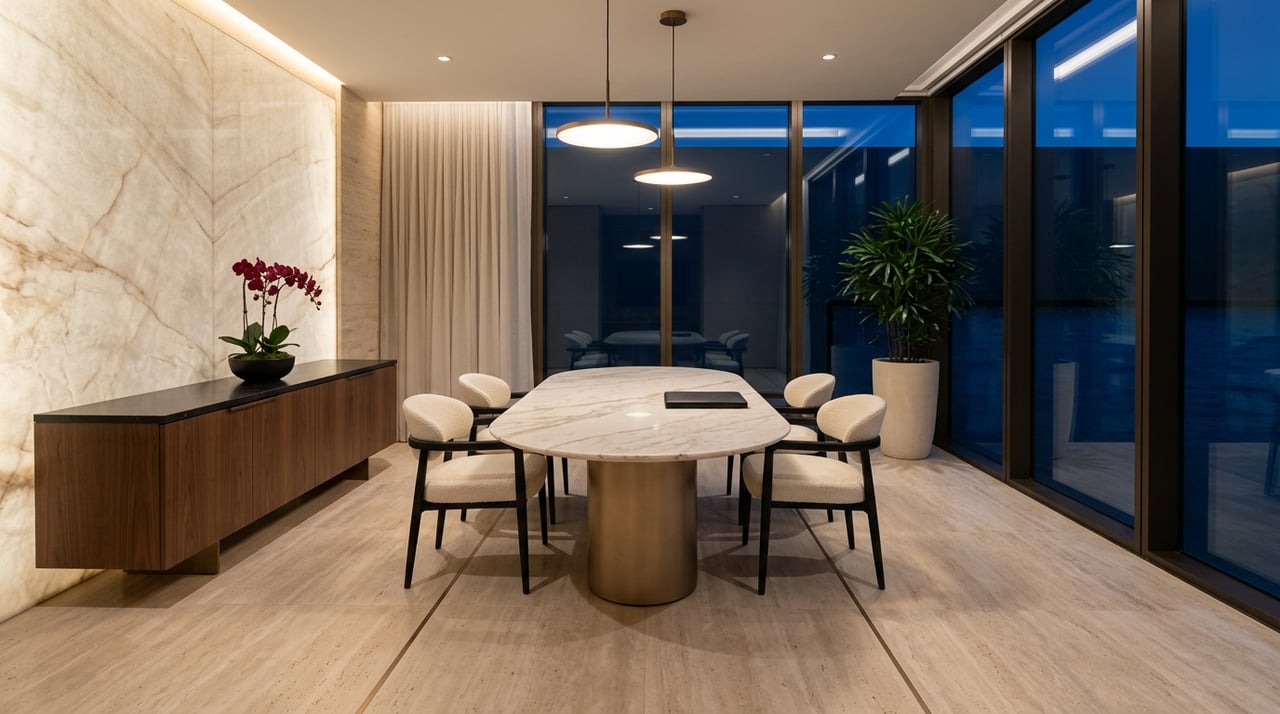
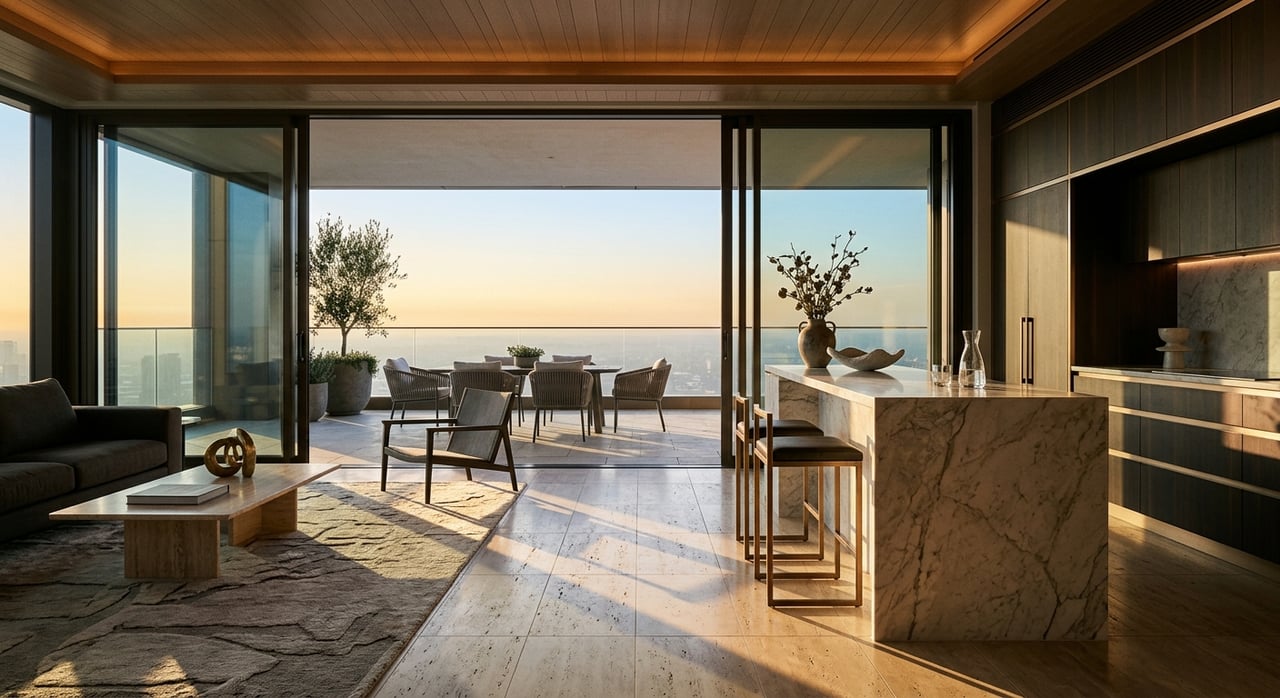
If you want the clearest symbol of the Miami River’s luxury evolution, Faena Residences Miami stands out. Official project materials describe it as Faena’s first standalone residential project on Miami’s riverfront and position it as a fully serviced, culture-led waterfront community.
That framing is important. This is not simply a standard new condominium tower with luxury finishes. It is being presented as a more immersive residential concept built around art, hospitality, wellness, and community programming.
What sets the project apart
According to official materials, Faena Residences Miami includes 406 one- to four-bedroom residences, along with River Lofts and Sky Lofts. The project features architecture by Rafael Viñoly Architects, interiors by Bryan O’Sullivan Studio, and a sky bridge rising 700 feet that connects both towers.
Faena’s broader vision goes beyond the residences themselves. The brand has described a three-block Miami River district with curated cultural spaces, wellness facilities, a marina, recreational areas, and public art, reinforcing the idea that this is meant to feel like a district-level lifestyle offering rather than a conventional tower.
Why the branded approach resonates
For many affluent buyers, branded living has appeal when it goes beyond name recognition and creates a clear daily experience. In this case, official materials point to private boat rides, curated shopping experiences, and direct connection to Brickell City Centre, all of which support a service-oriented, lifestyle-led point of view.
That is part of why the project has drawn attention early. Independent reporting from the Miami Herald stated that more than 20% of units had sold before construction began, generating more than $300 million in sales, with buildout estimated around 2029 or 2030.
What this means for buyers
If you are considering Miami River real estate, the biggest takeaway is that this is a story about timing and trajectory. The river is already part of the city’s core growth narrative, but it is still early enough that the corridor feels emergent rather than fully matured.
That can appeal to several types of buyers. You may be looking for a design-led primary residence close to Brickell, a second home with concierge-style ease, or a branded preconstruction opportunity in a location with a strong long-term identity story.
Questions worth asking
Before you buy in an emerging luxury corridor, it helps to focus on a few practical questions:
- How much of the surrounding public realm is already complete versus planned?
- How close is the residence to Brickell, Downtown, transit, and dining destinations?
- What makes the project distinct beyond finishes and views?
- How does the developer and design team support long-term market positioning?
- How does the riverfront location fit your lifestyle goals today, not just in the future?
These questions can help you separate broad market excitement from the specifics that matter to you.
A balanced view of the riverfront story
A smart riverfront conversation should also include resilience. The City of Miami states that properties near the Miami River and other waterways can be prone to flooding, and its King Tides information notes that high tides may cause temporary sunny-day flooding near waterways and low-lying areas.
At the same time, the city’s climate planning identifies the waterfront as a priority for stronger standards and investment. For buyers, that means the right lens is not to ignore these realities, but to evaluate them clearly as part of any waterfront purchase decision.
The bigger picture for Miami luxury living
The rise of luxury riverfront living is really about more than a single address. It reflects how Miami is expanding its definition of premium waterfront life beyond the traditional beach and bay narrative.
On the Miami River, luxury is being reframed through connectivity, walkability, dining, culture, public realm improvements, and highly curated residential experiences. That combination is what makes the corridor feel fresh and increasingly relevant.
If you are drawn to places that still have forward momentum, the Miami River deserves a close look. It is not a finished story, and that may be exactly why it feels so compelling right now.
If you want guidance on Faena Residences Miami and how this emerging riverfront market fits your goals, connect with Privé Advisory Group at Bayview International Realty to request floorplans and expert buyer representation.
FAQs
What makes Miami River luxury living different from other Miami waterfront options?
- Miami River luxury living combines waterfront access with close proximity to Brickell and Downtown, plus growing public promenades, dining destinations, and new branded residential development.
Why is the Miami River considered an emerging luxury corridor in Miami?
- City planning, Riverwalk and Greenway progress, and a pipeline of major residential and mixed-use projects all point to the river becoming a more connected, amenity-rich part of Miami’s urban core.
What is Faena Residences Miami on the Miami River?
- Faena Residences Miami is a branded preconstruction riverfront condominium project with 406 residences, loft offerings, architecture by Rafael Viñoly Architects, interiors by Bryan O’Sullivan Studio, and a culture-led lifestyle concept.
How connected is the Miami River area to Brickell and Downtown Miami?
- The area is closely tied to Brickell and Downtown through nearby Metrorail and Metromover access, the Underline corridor, trolley connections, and direct adjacency to Miami’s central business and lifestyle districts.
Are there practical risks to consider with Miami River waterfront property?
- Yes. The City of Miami notes that properties near waterways, including the Miami River, can be prone to flooding and temporary high-tide impacts, so waterfront buyers should evaluate resilience factors carefully.
Who is Miami River preconstruction most likely to appeal to?
- It may appeal to buyers seeking a design-led primary home, a second residence with service and convenience, or a long-term luxury preconstruction opportunity near Brickell in a changing waterfront corridor.